Aah Sheet News & Articles
B2B Marketing Funnel Craft Your Path

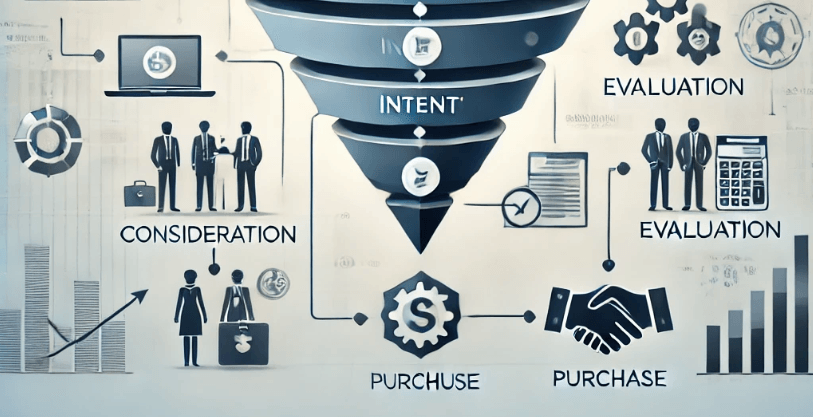
Building a successful B2B marketing funnel transforms how business-to-business companies approach their sales process. This foundational framework systematically guides prospects through each stage of the funnel, ensuring an optimized customer experience from awareness to final decision.
Investing in a well-defined sales funnel enhances conversion rates, maximizes resource efficiency, and elevates the value proposition delivered to the target audience.
By focusing on addressing pain points and aligning solutions with consumer behavior, businesses can create impactful content marketing campaigns that drive measurable growth.
Success depends on implementing tailored strategies that integrate effectively across marketing channels. You can use an automation tool like Aah Sheet to help you develop your SEO sales funnels by leveraging AI.
Click here to learn more about: www.aahsheet.com
Understanding B2B Marketing Strategies
Crafting effective B2B marketing strategies requires a deep dive into aligning goals with the buyer’s journey through the funnel. Each stage of the funnel demands unique approaches to nurture leads and accelerate the sales cycle.
Using data-driven marketing, businesses can identify their most valuable target audiences and better predict consumer behavior. By integrating email marketing campaigns and creating purposeful drip sequences, companies enhance their marketing and sales alignment to achieve optimal conversion rates.
The Role of Data in Decision-Making
Superior business marketing stems from leveraging precise data to make informed decisions.
Analytics tools allow B2B marketers to uncover patterns within the sales pipeline, helping refine strategies at every stage of the funnel.
Insights on consumer behaviour, funnel metrics, and ROI pave the way for optimizing pricing, campaign budgets, and landing page effectiveness.
Key Components of a B2B Strategy
To build a successful B2B approach, companies must focus on several essential touchpoints.
These include defining their value proposition, crafting SEO-rich content marketing strategies, and leveraging social media marketing. Businesses can unlock significant growth by integrating testimonials and white papers that establish trust and improve the customer’s journey through the marketing funnel stages.
“Developing a B2B marketing funnel is a framework that blends research with creative marketing activities, driving both short-term results and long-term sustainability. ”
With a clear understanding of the B2B sales funnel stages and an actionable strategy, companies can amplify their marketing efforts and build lasting success in competitive industries.
Key Stages of the Funnel
Mastering the key stages of a B2B marketing funnel helps refine strategies that align with the sales pipeline. Each stage plays a pivotal role in influencing the customer journey and driving conversions effectively.
Awareness Stage
The Awareness Stage, positioned at the top of the sales funnel, employs methodologies such as SEO tactics and social media marketing that are designed tactically to drive visitor engagement and meaningful visibility-harnessing lead's interest.
Funnel's stages uniquely prioritize optimization so businesses can map measurable returns and conversions at every
sustainability pipeline. Why the Awareness stage? it establishes a foundation.
By strategically leveraging SEO alongside tailoring audience-driven relevance through campaign structures, brandconsistency amplifies.
| Stage of Funnel | Key Strategies |
|---|---|
| Awareness Stage | SEO tactics |
| Awareness Stage | Social media marketing |
| Awareness Stage | Driving visitor engagement |
| Awareness Stage | Tailoring audience-driven relevance |
Top Tactics For Sales Success
Achieving sales success requires implementing proven strategies that address every stage of the sales funnel. Focusing on relationship-building techniques helps sales teams create meaningful connections with their target audience.
This approach strengthens trust, a key component of the customer journey, driving loyalty and repeat purchases.
Building Trust Through Touchpoints
Effective sales process engineering relies on tailoring touchpoints to match customer behavior.
Customized emails, personalized follow-ups, and strategic engagement points can make a measurable difference in the b2b sales funnel stages.
These actions enhance the customer experience, fostering deeper connections and reducing drop-offs at critical stages of the marketing funnel.
Leveraging Long-Term Relationships
Incorporating long-term relationship strategies into a b2b marketing funnel helps streamline lead conversion. This reduces stagnation during the funnel stages, ensuring a seamless transition for prospects from the top of the funnel through to the final stage, significantly impacting overall conversion rates and business growth.
Building rapport often leads to referrals, which further enhance the effectiveness of the sales funnel.
Optimizing Your Conversion Rates
Every marketing team aims to optimize the conversion rate, unlocking the full potential of their b2b sales funnel. Understanding where leads drop off allows businesses to refine their marketing strategies for better outcomes.
By analyzing funnel metrics, teams can identify underperforming areas and focus efforts where they are most needed.
Analyzing Conversion Metrics
Utilizing tools such as Google Analytics or similar software gives b2b marketers valuable insights into the stages of a b2b marketing funnel.
With detailed data, marketers can track customer behavior, measure key sales pipeline metrics, and adjust strategies to improve sales revenue.
By addressing these findings, businesses boost the efficiency of their funnel strategies.
Implementing A/B Testing Techniques
Effective sales and marketing teams often rely on A/B testing to pinpoint what resonates most with their target audience. Testing variations of landing pages, CTAs, or email marketing campaigns helps refine the messaging and approach.
Through these targeted efforts, sales funnel stages see measurable improvements, ensuring a better return on investment.
“A streamlined marketing funnel is a framework for understanding and improving customer interactions through every touchpoint. ”
By efficiently navigating the purchase funnel, businesses can enhance their content marketing, adapt pricing structures, and bolster efforts at the middle of the funnel. This ensures a comprehensive approach to both sales and marketing, leading to sustainable success.
Sales Funnels
- Relationship-building techniques enhance trust and drive customer loyalty.
- Tailored touchpoints reduce drop-offs in the b2b sales funnel stages.
- A/B testing improves messaging and boosts return on investment.
- Analyzing funnel metrics helps identify and address underperforming areas.
Engaging Your Target Audience
Enhancing the b2b marketing funnel begins with identifying platforms that align with your target audience's behavior. Leveraging marketing channels like LinkedIn builds professional relationships, while email marketing enhances personalized customer journeys across the purchase funnel.
Effective segmentation through data analytics tools allows for tailored content delivery, improving engagement and sales funnel outcomes.
Personalized Engagement Strategies
- Develop buyer personas to align content with audience behavior and pain points.
- Incorporate AI-driven tools to create dynamic content personalization and streamline your b2b marketing efforts.
- Utilize customer data to craft relevant messaging and improve conversion rates.
“Tailored communication fosters stronger relationships, ultimately leading to successful progression through the sales funnel. ”
Leveraging Metrics for Targeting
Analyzing funnel metrics ensures your strategies resonate with the right audience. Tracking conversion rates and identifying drop-off points in the funnel stages refines your marketing approach. This continuous adaptation boosts the overall effectiveness of your business-to-business campaigns.
Leveraging Content Marketing Techniques
Optimizing the content marketing funnel revolves around producing content that adds value and resonates deeply. Businesses can improve their b2b content marketing by diversifying formats and emphasizing storytelling to connect with audiences at various stages of the sales funnel.
Effective Content Types
- White papers: Establish credibility by addressing specific industry concerns and solutions.
- Case studies: Offer actionable insight into addressing b2b customer pain points.
- Webinars: Create interactive touchpoints that inform and engage across the stages of the funnel.
- Infographics: Simplify technical information to enhance understanding within the b2b sales pipeline.
- Blogs: Build authority and improve SEO performance while addressing key customer journey queries.
The Role of Storytelling
In the b2b sales funnel, storytelling transforms dry data into compelling narratives that evoke emotion and build trust. Highlighting customer testimonials and success stories integrates relatable experiences into the funnel marketing strategies. Use visuals and concise messaging to ensure clarity across multiple marketing channels.
“By combining technical information with relatable narratives, businesses can drive an effective journey through the b2b marketing funnel. ”
Balancing engaging storytelling with data-driven precision ensures your marketing strategies cater to the diverse needs of a b2b audience, fostering long-term connections and measurable outcomes.
B2B Marketing
- Leveraging LinkedIn builds professional relationships and enhances the B2B marketing funnel.
- AI-driven tools enable dynamic content personalization, improving engagement and conversion rates.
- Storytelling in B2B marketing transforms data into relatable narratives, fostering trust and connection.
- Tracking funnel metrics helps refine strategies by identifying drop-off points and improving campaign effectiveness.
Measuring Marketing Effectiveness
Evaluating the success of a B2B marketing funnel is a fundamental aspect of achieving business objectives and improving ROI. Businesses rely on clear metrics and tools to track the performance of marketing efforts throughout the sales funnel stages.
Key Performance Indicators (KPIs) to Track
- Marketing Qualified Leads (MQLs): These leads demonstrate interest in your value proposition and are ready for nurturing.
- Sales Qualified Leads (SQLs): SQLs are advanced through the sales cycle, prepared for interaction with the sales team.
- Conversion Rates: Monitoring conversion rates at each stage of the funnel highlights bottlenecks and opportunities.
- Customer Journey Metrics: Analyzing user behavior across touchpoints uncovers areas to improve the customer experience.
Tools for Measuring Marketing Efforts
- Google Analytics: Tracks website traffic, landing page performance, and consumer behaviour.
- CRM Platforms: Solutions like HubSpot and Salesforce monitor lead progression through the B2B sales funnel.
- Social Media Marketing Tools: Platforms such as Hootsuite or Buffer analyze engagement and content marketing performance.
- Email Marketing Campaigns: Tools like Mailchimp measure email success rates and drive funnel conversions.
By integrating these tools and KPIs, businesses can optimize the B2B marketing funnel, test strategies effectively, and allocate resources to maximize sales pipeline performance.
Measuring Marketing Effectiveness
- Tracking Marketing Qualified Leads (MQLs) helps identify potential customers ready for nurturing.
- Analyzing conversion rates at each stage of the funnel reveals bottlenecks and growth opportunities.
- CRM platforms like HubSpot and Salesforce enhance lead management and sales funnel tracking.
- Google Analytics provides insights into website traffic and user behavior for better decision-making.